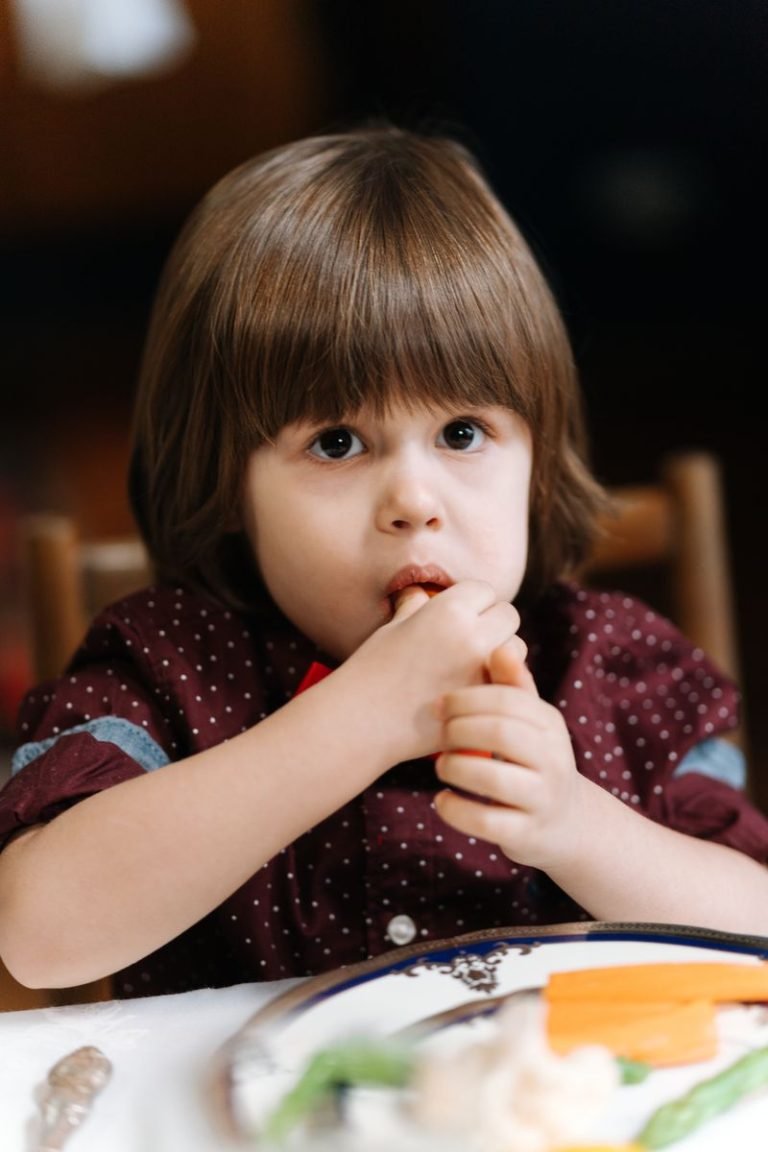
“He simply refuses to eat anything.” This is the sentence Dr. Ahmed Munawar Islam hears most at his Lake City clinic — from anxious mothers of toddlers aged 12 to 36 months. Picky eating is not a sign of a bad child or bad parenting. It is a developmental phase called food neophobia: a biological aversion to new foods that peaks between 18 and 24 months and is wired into the human brain as an evolutionary safety mechanism. The good news is that it is manageable with the right nutritional strategy, and Pakistan’s traditional kitchen already contains the tools you need.
Understanding What Is Actually Happening in Your Toddler’s Brain
Between 12 and 36 months, toddlers are establishing food preferences that will influence them for life. Research shows that a new food must be offered 10–15 times before a toddler accepts it — many parents give up after 2 or 3 rejections. The key insight is that offering is not the same as eating. Keep presenting foods without pressure. Forced feeding creates negative food associations that can persist into adulthood.
At the same time, toddlers’ growth rate slows dramatically compared to the first year of life — they genuinely need fewer calories per kilogram, so small meals are often adequate. Your child is not sick; they are developing normally.
The Nutritional Non-Negotiables for Toddler Growth
Regardless of variety, every toddler’s diet must provide:
- Iron — the most common deficiency in Pakistani toddlers; affects brain development and attention
- Zinc — immune function, growth, wound healing
- Calcium & Vitamin D — bone mineralisation; rickets is still prevalent in Lahore
- Complete protein — all essential amino acids, particularly important for brain development
- Healthy fats — 30–40% of a toddler’s calories should come from fat; brain is 60% fat
High-Nutrition Desi Recipes for Picky Toddlers
Moong Daal Khichdi (Iron + Complete Protein)
Combine equal parts split moong daal and white rice. Cook with 3 parts water until soft. Add a generous tablespoon of pure ghee, a pinch of turmeric (anti-inflammatory), and a pinch of cumin seeds. Blend or mash to the appropriate texture for age. This provides complete protein (rice supplies the amino acids daal lacks), non-haem iron (enhanced by a squeeze of lemon vitamin C), and healthy fat from ghee. Serve with a small cup of dahi (yoghurt) to add calcium and probiotics.
Dalia Porridge with Full-Fat Milk (Energy + Calcium)
Broken wheat (dalia) is a whole grain with higher fibre and micronutrient content than white flour. Cook one cup of dalia in two cups of full-fat milk (not water — you need the fat and calcium) with a teaspoon of ghee. Once soft, add a drizzle of honey (for children over 12 months only — never before). The slow-release carbohydrates provide sustained energy without sugar spikes, and the milk supplies calcium and vitamin D.
Suji Halwa with Almonds (Healthy Fat + B Vitamins)
Lightly roast fine semolina (suji) in a teaspoon of ghee until golden. Add hot water or milk in a 1:3 ratio and stir continuously until thickened. Add a very small amount of unrefined cane sugar (gur) or honey for flavour. Crush 4–5 blanched almonds finely and stir in before serving. Almonds provide alpha-tocopherol (vitamin E) and healthy monounsaturated fat essential for myelin formation in the developing brain.
Yakhni (Bone Broth)
Simmer chicken or beef bones with whole spices (cardamom, cloves, bay leaf) for 3–4 hours. Strain the broth and use it instead of water to cook khichdi, dalia, or rice. Bone broth provides collagen-derived amino acids (glycine, proline), easily absorbed minerals including calcium and phosphorus, and adds a deep savoury flavour that makes plain foods more palatable to picky eaters.
Practical Strategies That Work at the Table
- Consistency over variety — offer the same 5–6 accepted foods reliably; expand the repertoire slowly (one new food every 5 days)
- No screens at mealtimes — children distracted by screens do not register hunger/satiety cues, leading to both overeating and undereating
- Eat together as a family — children are hardwired to imitate adults; a parent eating daal is more persuasive than any instruction
- Child-sized portions — a toddler’s portion is one tablespoon of each food per year of age (e.g., a 2-year-old needs 2 tablespoons of daal, not a full bowl)
- Never use food as reward or punishment — “eat your vegetables and you’ll get kheer” trains the brain to treat vegetables as unpleasant obligations and sweets as desirable rewards
- Offer water, not juice, between meals — sweetened beverages and excessive fruit juice suppress appetite for nutrient-dense meals
When to See a Doctor About Your Child’s Eating
Picky eating is normal, but seek medical review if:
- The child has lost weight or fallen below the 3rd centile on the growth chart
- The child eats fewer than 5 distinct foods total
- Mealtimes consistently involve gagging, retching, or vomiting
- The child refuses all textures beyond purées past 12 months (possible oral motor or sensory processing issue)
- Iron-deficiency anaemia is confirmed on blood tests (pallor, fatigue, breathlessness on minimal activity)
Dr. Ahmed’s Rule: If a toddler is growing, active, and sleeping well — they are eating enough, even if it does not feel that way to parents. The goal is not a clean plate; the goal is adequate nutrition for the growth chart.
For a personalised assessment of your toddler’s growth and nutrition, visit Dr. Ahmed Munawar Islam at Sehat Medical Complex, Business Bay, Block M-1, Lake City, Lahore. Clinic hours: Monday–Saturday, 3:00 PM – 5:00 PM. Call 0302 1843389.