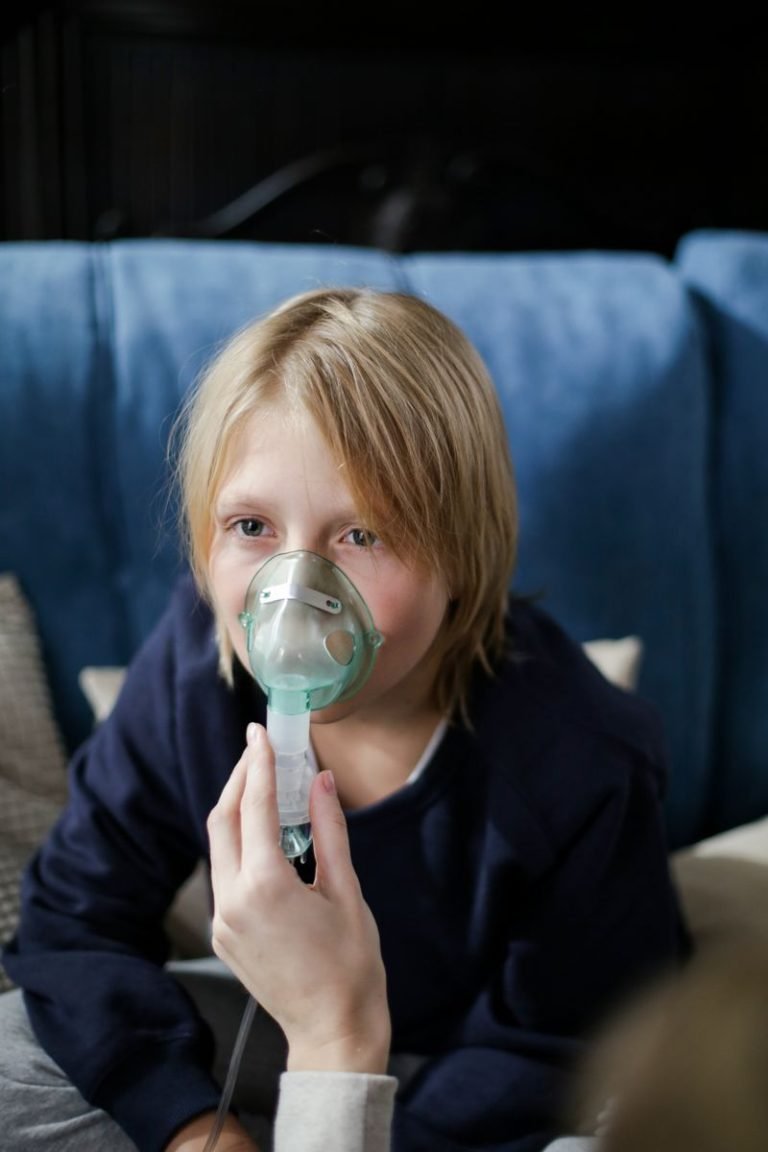
Every November, Lahore’s air turns gray. Brick kilns, crop burning, diesel engines, and cold stagnant air combine to push the Air Quality Index (AQI) above 300 — well into the hazardous range for children. As a child specialist in Lake City for over 30 years, Dr. Ahmed Munawar Islam sees a predictable surge in respiratory emergencies each winter: wheezy infants, children with croup, and school-age kids whose undiagnosed asthma suddenly becomes undeniable.
Why Children Are More Vulnerable to Smog Than Adults
A child’s lung is not simply a smaller adult lung. Children breathe faster — 30–40 breaths per minute in infancy versus 12–16 in adults — meaning they inhale proportionally more polluted air relative to body weight. Their airways are narrower, so even small amounts of swelling from PM2.5 particles can cause dramatic reductions in airflow. The alveoli (air sacs) where oxygen exchange happens are still developing until age 8, making early, repeated smoke exposure a lasting injury to lung capacity.
Recognising Smog-Related Respiratory Distress in Your Child
Know the warning signs that require immediate medical attention:
- Intercostal recession — the skin between the ribs pulling inward with each breath, signalling laboured effort
- Stridor — a high-pitched crowing sound when the child inhales, especially in toddlers with croup
- Nasal flaring — nostrils widening rapidly with each breath
- Cyanosis — a bluish tinge around the lips or fingertips indicating poor oxygenation
- Persistent cough lasting more than 10 days
- Night-time cough that wakes the child from sleep
- Wheeze heard without a stethoscope
If you observe any of the first four signs, go to the emergency department immediately. Do not wait for a clinic appointment.
Evidence-Based Home Measures for Smog Season
1. Saline Nasal Wash (Twice Daily)
Isotonic saline flushes deposited PM2.5 particles from the nasal mucosa before they migrate to the lower airway. Use a commercial nasal spray or prepare a solution of 9 grams of salt per litre of boiled (then cooled) water. Gently irrigate each nostril. This is safe from birth and is Dr. Ahmed’s single most-recommended preventive measure during smog season.
2. HEPA Air Purifiers Indoors
True HEPA (H13 or H14 grade) filters capture 99.97% of particles 0.3 microns and larger, including PM2.5 aggregates. Place a purifier in the child’s bedroom and run it continuously on medium speed. Change the filter every 6–12 months. Budget brands available in Lahore markets include Xiaomi and local equivalents. Keep windows and doors shut during peak smog hours (8–11 AM and after sunset).
3. The Spacer Inhaler — Every Asthmatic Child’s Essential
A metered-dose inhaler (MDI) used without a spacer delivers less than 10% of the drug to the airways — most hits the back of the throat. With a spacer (volumatic or AeroChamber), delivery improves to 20–30%. For children with confirmed asthma, Dr. Ahmed prescribes a salbutamol (reliever) MDI plus spacer, and a low-dose inhaled corticosteroid (controller inhaler) to be started or intensified before smog season begins each year.
4. Avoid Outdoor Activity on High-AQI Days
Check AQI before school via apps like IQAir or PakAir. When AQI exceeds 150, cancel outdoor PE, park visits, and street play. When it exceeds 300, keep children entirely indoors except for essential travel with N95 masks (not cloth masks, which do not filter PM2.5).
When to Visit the Clinic
Schedule an appointment with Dr. Ahmed Munawar Islam at Sehat Medical Complex, Lake City if:
- Your child has had two or more episodes of wheeze, ever
- A cough has persisted beyond 10 days despite paracetamol and saline
- You suspect asthma but have never had a formal diagnosis
- Your child’s existing controller inhaler prescription was written more than 12 months ago (requires review)
- A sibling or parent has asthma or allergic rhinitis — family history dramatically raises your child’s risk
Frequently Asked Questions
Q: Should I give my child cough syrup during smog season?
A: Conventional cough syrups (antitussives or mucolytics) have no evidence of benefit in children under 6 and may cause sedation. For productive cough, adequate hydration and saline nasal washes are more effective. If wheeze is present, a bronchodilator inhaler is far more appropriate than syrup.
Q: My child doesn’t have asthma. Is smog still a concern?
A: Absolutely. PM2.5 causes oxidative stress in all lung tissue. Repeated smog exposure in early childhood is associated with reduced peak lung function at age 18, increased susceptibility to respiratory infections, and a higher lifetime risk of COPD.
Dr. Ahmed Munawar Islam offers smog-season respiratory assessments at Sehat Medical Complex, Business Bay, Block M-1, Lake City, Lahore. Clinic hours: Monday–Saturday, 3:00 PM – 5:00 PM. Call 0302 1843389 to book.